
What is Laser Therapy?
Laser therapy (also called photobiomodulation or low-level/therapeutic laser therapy) uses focused light at specific wavelengths to stimulate cellular processes in injured tissues. When applied by a trained chiropractor or clinician, it can help reduce pain, calm inflammation, and promote healing in muscles, tendons, ligaments, and joint structures.
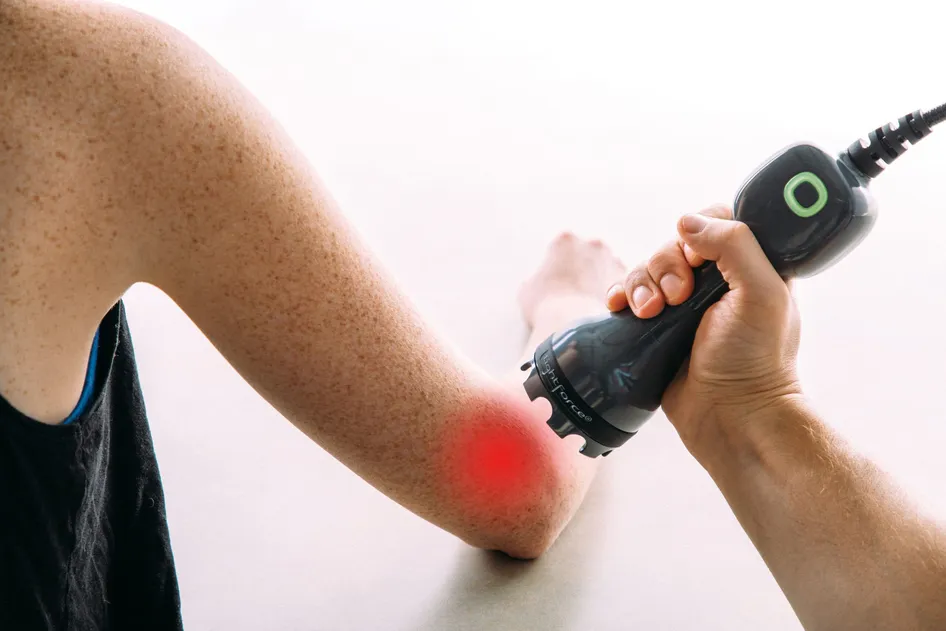
How It Works
Laser devices deliver concentrated light energy that penetrates the skin and is absorbed by cells, triggering biochemical changes. These changes may increase cellular energy (ATP) production, improve circulation, and reduce inflammatory signaling—supporting the body’s natural repair mechanisms.
- Targeted application: Light is directed to the injured area using a handheld applicator.
- Controlled dose: Treatment parameters (wavelength, power, duration) are selected for the condition and tissue depth.
- Adjunctive care: Laser therapy is commonly combined with adjustments, soft-tissue work, rehab exercises, and patient education.
Conditions We Commonly Treat
Laser therapy is frequently used as part of a conservative care plan for:
- Acute and chronic back or neck pain
- Facet joint irritation and sacroiliac pain
- Herniated or bulging disc symptoms (as appropriate within a conservative plan)
- Whiplash and soft-tissue sprains/strains
- Tendonitis (e.g., rotator cuff, tennis elbow)
- Arthritic joint pain and bursitis
- Muscle spasms and trigger points
- Post-surgical scar tissue management (with clinician approval)
Potential Benefits
- Reduced pain and soreness
- Lowered inflammation in targeted tissues
- Faster recovery from soft-tissue injuries
- Improved range of motion and function
- Non-invasive and generally well tolerated
What to Expect During Treatment
- Assessment: We evaluate your condition and determine whether laser therapy is appropriate as part of your plan.
- Positioning & protection: You will be comfortably positioned, and protective eyewear will be provided if required by the device.
- Application: The clinician places the handheld applicator close to the skin and treats the area for a short, controlled period (typically a few minutes per spot).
- Sensation: Most patients feel nothing or a mild warming. Treatment is painless for the majority of people.
- Duration & frequency: Sessions usually last 10–20 minutes; typical care plans involve multiple sessions over several weeks, depending on the injury and response.
Safety & Contraindications
When performed by trained clinicians, therapeutic laser therapy has a strong safety profile. However, it is not appropriate for everyone. Contraindications and precautions commonly include:
- Direct use over the eyes (appropriate eye protection is required)
- Pregnancy (avoid treatment over the abdomen and low back unless cleared by an obstetric provider)
- Active malignancy in the treatment area (consult oncology team)
- Suspected or known photosensitivity disorders or use of photosensitizing medications
- Over open growth plates in children without pediatric guidance
Always inform your provider of medical history, medications, implants, or pregnancy so we can tailor safe care for you.
Research & Clinical Evidence
Clinical studies indicate photobiomodulation can help reduce pain and inflammation for a variety of musculoskeletal conditions. Evidence varies by condition, device class, and treatment parameters. Your chiropractor will discuss what the current literature suggests for your specific diagnosis and set realistic expectations for outcomes.
Aftercare & Follow-up
There is usually little to no downtime after a session. Common recommendations include:
- Keep hydrated and rest the treated area as advised.
- Follow prescribed rehabilitation exercises or stretches.
- Track symptoms and report any unexpected reactions to your clinician.
- Attend follow-up visits so we can adjust the treatment plan based on progress.
Treatment Plan & Practical Info
Individual treatment plans are tailored to the diagnosis, severity, and patient goals. Typical conservative care plans include multiple laser sessions (commonly 6–12 sessions) combined with chiropractic adjustments, manual therapy, and a home exercise program. Insurance coverage and costs vary — please check with our office or your insurer for details.
Frequently Asked Questions
- Is laser therapy painful?
- Most patients experience little to no pain—some describe a mild warming or tingling sensation during treatment.
- How soon will I feel results?
- Some people notice improvement after the first session; others need multiple treatments before experiencing significant change. Response varies by condition and individual factors.
- Can laser therapy replace chiropractic adjustments?
- No. Laser therapy is typically used as a complementary modality to speed healing and reduce pain, while adjustments and rehab address spinal alignment and function.
- Are there side effects?
- Side effects are rare. Occasional mild, short-lived increases in symptoms can occur as tissues respond. Any concerning reaction should be reported to your clinician promptly.
Important Note
Information on this page is educational and does not replace personalized medical advice. Your chiropractor will evaluate your medical history and current condition to determine whether laser therapy is appropriate for you.
